
Public-private dialogue and national transformation
National transformation cannot be delivered by government acting alone, and it cannot be delivered by business pursuing profit without public responsibility. The two sectors possess different mandates, but they share one national environment. When that environment succeeds, citizens, enterprises, and institutions all gain. When it fails, no balance sheet is truly protected.
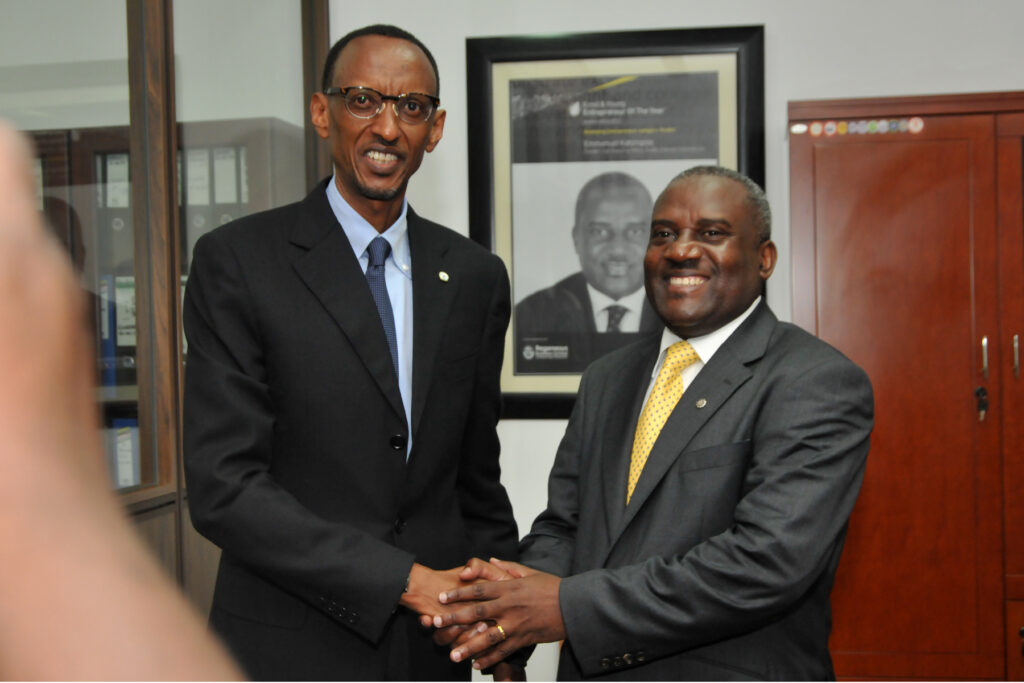
The Presidential CEO Forum was created to strengthen structured dialogue between government and private-sector leaders. Its value lies not merely in bringing influential people into one room. A meeting becomes useful only when it produces clearer priorities, evidence-based recommendations, accountable follow-through and practical improvements in the environment where people invest, work and create value.
Trust is the essential currency of public-private collaboration. Government must trust that business will contribute honestly to national development, respect regulation and look beyond narrow advantage. Business must trust that government will listen, apply rules consistently and recognise the realities faced by employers, investors and innovators. Neither trust can be demanded. Both must be earned through conduct.
Good dialogue also requires discipline. Leaders must come prepared with facts, not complaints alone. We must distinguish individual commercial interests from structural issues affecting the wider economy. We must be willing to hear difficult evidence, accept responsibility and remain engaged after the public event has ended. The strongest partnership is not the one that produces the best photograph; it is the one that improves implementation.
Uganda’s ambitions in industrialisation, investment, employment and value addition require long-term coordination. Education must connect to productive work. Infrastructure must serve real economic activity. Policy must encourage responsible enterprise, while enterprise must create opportunity that reaches communities.
Leadership at this level is stewardship of a shared future. The public sector brings legitimacy and national mandate. The private sector brings capital, innovation and operational experience. Civil society and academia bring community knowledge and independent insight. When we choose the same table, listen honestly and remain accountable, dialogue becomes more than consultation. It becomes an engine of transformation. That is how a nation converts shared ambition into trusted progress, stronger institutions and opportunity that reaches every community. It is demanding work, but always necessary.